

Comic Book Price Value Scanner
petraapps
I approached Comic Book Price Value Scanner as a practical tool for anyone who wants to understand a comic collection without turning every issue into a research project. It is a free comics app from petraapps, built around scanning covers, identifying books, checking current values, and keeping track of what you own. That sounds simple, but the real question is whether those steps feel manageable for different readers, collectors, and everyday situations.
My overall impression is that the app makes the first stage of cataloging less intimidating. Instead of typing every title and issue number into a database, I can begin with the physical cover in front of me. That is especially useful when a collection is spread across boxes, shelves, or inherited stacks. At the same time, a scanner is not a substitute for careful checking. Cover art, editions, condition, and issue details can affect a comic’s identity and value, so I would treat the result as a useful starting point rather than an unquestionable appraisal.
How the app feels to read and navigate
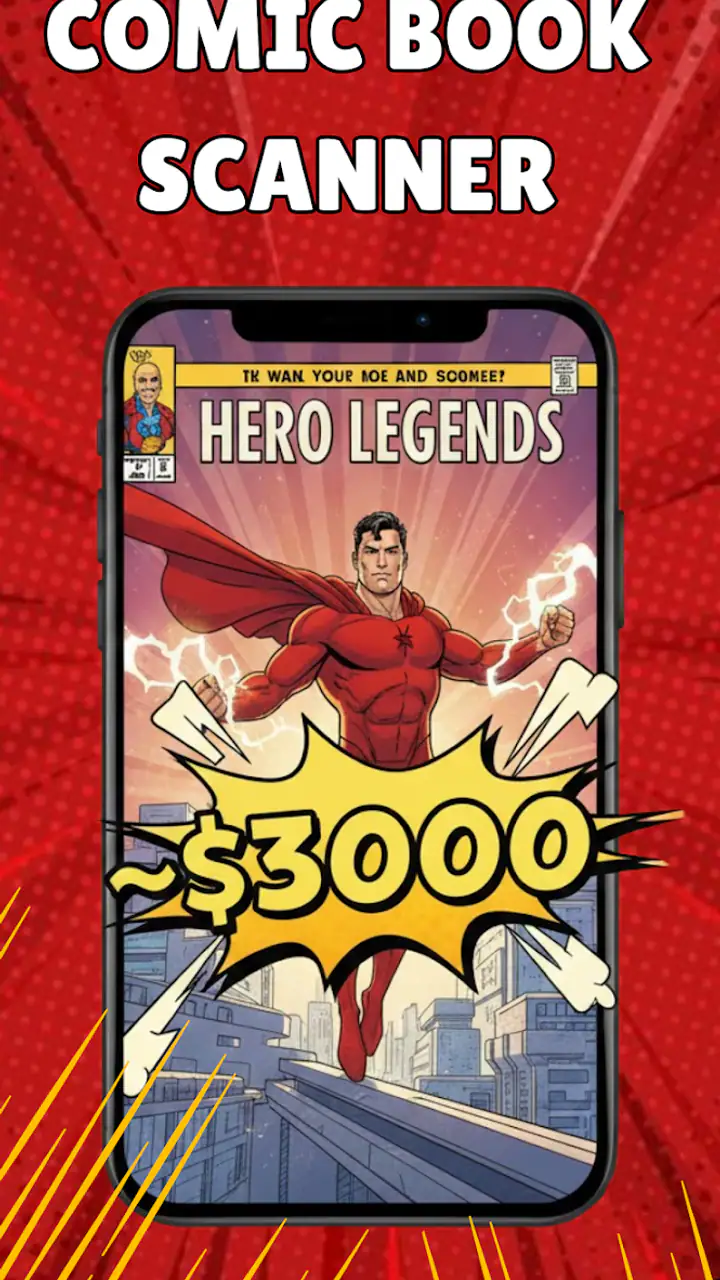
The clearest strength is the relationship between the camera-based workflow and the collection itself. A new user does not need to understand comic-market terminology before getting started. The natural sequence is easy to grasp: point the phone at a cover, see what the app recognizes, review the result, and add the item to the collection. For a beginner, that is more approachable than opening a large catalog and trying to guess which fields matter.
I also like that the app belongs to the comics category rather than trying to be a general-purpose marketplace or inventory system. Its purpose stays close to the physical objects collectors already have. That focus should help someone who wants a personal record of books without learning a complicated desktop database first.
Text-heavy collection tools can become tiring when every screen presents several small labels, prices, and issue details. Here, readability depends heavily on the phone, display settings, and the amount of information shown at once. I would use a larger system font if available on the device, keep the screen brightness comfortable, and avoid judging a scan while walking or in poor light. These are small habits, but they matter when a person is processing many covers in one session.
Related News

Why WhatsApp Messenger Still Makes Everyday Communication Feel Easy

Jurassic World: The Game Is the Better Dino Tycoon for Strategic Players

Threads in Real Life: Who Should Join, Lurk, or Leave

How SHEIN Turned Shopping Into an Endless Content Feed

How to Make Fortnite Feel Smarter on Mobile

Should You Switch to Microsoft Outlook on Mobile?
A helpful workflow is to scan in short groups instead of attempting an entire long box at once. I would separate books into piles before opening the app: comics that look easy to identify, comics with similar covers, and damaged or unusual editions. That reduces visual searching and makes it easier to notice when an identification deserves a second look. It also limits fatigue for readers who find dense visual tasks difficult.
The app’s current version is 1.0.5, and that matters to my expectations. I see it as a focused, developing utility rather than a mature archival platform with every possible cataloging refinement. Its average rating is 4.2 from over 380 ratings, with more than 40 written reviews, while the install count is over 10 thousand. Those figures suggest genuine early interest, but they do not remove the need to test the workflow against a personal collection.
Reading the results without rushing
The most important reading skill is not identifying a title; it is interpreting what the identification means. A cover scan may point toward a comic, but I would still compare the displayed title, issue information, and visible cover details with the physical copy. This is particularly important when a series has multiple printings, variant covers, anniversary editions, or similar artwork.
Gallery
For readers with dyslexia, reduced contrast sensitivity, or difficulty holding several details in working memory, I would recommend keeping the physical comic beside the phone and checking one field at a time. First confirm the series, then the issue, then the edition or condition notes that matter to your own records. That slower method is more reliable than trying to absorb an entire result screen instantly.
There is also a useful distinction between a collection record and a market decision. The app can help me organize what I have and observe values, but I would not use a displayed figure as the sole reason to sell, insure, or price a rare book. A value is meaningful only when the identified issue and its condition are correct. This is one of the app’s most important practical limitations, and understanding it prevents overconfidence.
Using the scanner with different abilities and situations
Motor demands and camera handling
A cover scanner naturally asks the user to hold a phone at a suitable distance and keep the image steady. That may be comfortable for many people, but it can be awkward for someone with tremors, limited grip strength, joint pain, or difficulty maintaining an arm position. I would make the task easier by placing comics flat on a table, using both hands when possible, and scanning while seated. A stable surface is more useful than repeatedly trying to correct a shaky image in midair.
People who cannot easily rotate or lift individual books may find a box-by-box workflow frustrating. In that situation, I would scan only the covers that are already accessible rather than rearranging an entire collection for the app. The tool is most helpful when it adapts to the collection’s physical setup, not when the user has to create an uncomfortable setup just to satisfy the camera.
One non-obvious trade-off is speed versus accuracy. Moving quickly through a pile feels productive, but a rushed scan can lead to an incorrect record that looks plausible enough to remain unnoticed. I prefer a two-pass method: identify books during the first pass, then review uncertain entries with the original covers in hand. This is less tiring than trying to achieve perfect cataloging immediately, while still protecting the quality of the collection.
Lighting, vision, and sensory comfort
Camera recognition is naturally affected by the way a cover appears on screen. Glare from plastic sleeves, dark rooms, reflective bags, and angled covers can make visual confirmation harder. I would use soft, even lighting and remove a comic from a shiny sleeve only when doing so is safe for the book. For a valuable or fragile issue, preserving the comic should take priority over getting a perfect scan.
Bright screen output may be uncomfortable for people with light sensitivity, migraine triggers, or visual fatigue. Device-level brightness and color settings can help, although those controls belong to the phone rather than the app itself. I would also avoid scanning beside a window with strong direct sunlight, since glare can affect both the camera and the person reviewing the result.
For users who rely on spoken feedback, magnification, switch access, or other assistive tools, the experience will depend on how the app’s controls and labels interact with the operating system. I would test a small group of comics first, paying attention to whether the main actions are easy to locate and whether results can be reviewed without relying only on visual recognition. I would not assume that a clean-looking interface automatically provides every form of accessibility support.
Audio and environmental conditions matter too. A crowded convention hall, a noisy shop, or a room where concentration is difficult may not be the best place to catalog a collection. The app can be useful away from home, but I would save detailed review for a quiet setting. Scanning in the right environment is an accessibility decision as much as a convenience decision.
Everyday situations where it helps
A realistic example is sorting a family member’s old comics before moving house. I could place a small group on a table, scan the covers, and create a working inventory without first knowing the publisher, series history, or likely market value. The collection record would make it easier to separate duplicates, identify books worth researching further, and remember what has already been checked.
Another useful situation is shopping at a comic store or flea market. The scanner may help me recognize a book quickly, but I would use it as a screening tool rather than a buying command. If the result looks promising, I would inspect the physical condition, compare the issue information, and consider whether the asking price makes sense. This avoids the common mistake of seeing a high-looking value and ignoring missing pages, writing, stains, restoration, or a different edition.
For a collector who is lending books to friends, the collection function can also serve as a memory aid. Before handing over a stack, I would record the items and later check them off when they return. That is a simple use case, but it shows why inventory can matter even when no sale is involved. The app is not only about chasing expensive comics; it can help maintain a clearer relationship with an entire collection.
Families and younger readers may appreciate the Everyone content rating, since the app itself is positioned for a broad audience. That rating describes the application’s content, not every comic a user may scan. I would still supervise children when the collection includes mature material or when a value estimate could lead to arguments about selling books. The tool can organize comics, but it does not replace an adult’s judgment about ownership and content.
Where the usual alternatives may be better
Compared with typing titles into a spreadsheet, scanning is more convenient at the beginning. It reduces repetitive entry and gives a collector a faster way to build a first inventory. A spreadsheet remains stronger for custom fields, personal notes, loan tracking, and unusual sorting rules, especially for someone who already enjoys maintaining detailed records.
Compared with a specialist comic database, this app may feel easier for casual cataloging because the starting point is the cover. A specialist service may be preferable for an advanced collector who needs deep issue histories, variant distinctions, grading detail, or a long-established reference system. I would choose this app when the priority is getting a collection under control quickly, not when every bibliographic distinction must be documented at expert archival depth.
Compared with a general price-search app, its comics focus is a clear advantage for someone working through boxes of issues. However, price research still benefits from checking multiple sources and looking at actual condition. The scanner can reduce the time spent finding a candidate record, but it cannot make the market predictable. Values change, demand varies, and a displayed figure may not match what a local buyer is willing to pay.
Remaining barriers and costs to consider
The app is free to download, which makes experimenting with a small collection easy. It includes in-app purchases ranging from $5.49 to $69.99 per item, so I would review the purchase screen carefully before committing to any paid capability. The broad range means the financial decision may be minor for one person and significant for another. Someone on a tight budget should begin with the free experience and decide whether the added functions justify the cost for their specific workflow.
That payment structure is also an inclusion issue. A collector may be able to use the scanner but not comfortably afford every advanced option. I would avoid building a collection process that depends on purchasing immediately. Start with a representative sample, see how well recognition fits the books you own, and only then consider whether a paid item solves a real problem rather than simply adding an appealing extra.
Another barrier is the physical condition of older comics. Worn covers, missing corners, protective sleeves, unusual layouts, and low contrast can all make identification harder. This is not necessarily a flaw unique to the app; it is a basic challenge for camera-based cataloging. Still, users should expect manual review for the books that matter most, particularly valuable, sentimental, or difficult-to-replace issues.
I would also be cautious about treating real-time values as fixed promises. A live-looking number can create false precision, especially when the app has identified a similar but not identical edition. For serious sales, insurance discussions, or estate decisions, I would combine the app’s record with direct condition assessment and independent market research. The app is strongest as an organizer and first filter, not as the only authority in a high-stakes transaction.
Device compatibility is relatively broad because the minimum operating system is Android 7.0. That makes the app more approachable for people who do not use a new phone, although camera quality, screen size, and performance can still affect comfort. On an older device, I would scan slowly and keep the workload modest instead of assuming that every modern camera workflow will feel equally smooth.
My inclusive verdict
I recommend Comic Book Price Value Scanner to casual collectors, families sorting inherited boxes, and readers who want a less intimidating way to begin cataloging. Its cover-first approach can reduce typing, support a practical inventory habit, and give a collection a clearer starting structure. The developer, petraapps, has kept the concept focused enough that a newcomer can understand the purpose quickly.
I would be more cautious recommending it as the only tool for professional dealers, archivists, or collectors who require exhaustive edition-level precision. Those users may prefer a specialist database or a customized spreadsheet alongside the app. I would also suggest that anyone with motor or visual limitations try a small, comfortable scanning session before committing to a large cataloging project, because the camera and review steps may still require steady handling and close attention.
My best advice is to use it in layers: scan accessible books first, confirm uncertain matches, record condition separately in your own notes, and treat values as research prompts rather than final answers. That approach makes the app more useful and more honest. It supports different abilities when the user controls the pace, lighting, posture, and amount of review instead of rushing through a box.
For a free comics app with a focused purpose, it offers a sensible entry point into collection management. The Everyone rating and broad Android compatibility make it approachable, while the paid options and the unavoidable uncertainty of comic condition require thoughtful use. The real strength is not replacing a collector’s judgment; it is making the first organized inventory easier to begin and easier to maintain.
If your goal is to recognize covers, build a personal list, and investigate which books deserve closer attention, I think it is worth trying. If you need a definitive appraisal, highly customized archival records, or a completely hands-free experience, I would look beyond it or pair it with another method. Used with those boundaries in mind, Comic Book Price Value Scanner is a practical companion for turning a scattered comic pile into a more understandable collection.
FAQs for Comic Book Price Value Scanner
What is Comic Book Price Value Scanner used for?
Comic Book Price Value Scanner is designed to help collectors identify comic books and estimate their potential market value. After scanning or searching for an issue, the app can provide information such as the title, issue number, publication details, condition-related considerations, and available price references. It is useful for organizing a collection, checking possible finds, and getting a quick valuation before researching further or contacting a dealer.
How accurately does the app estimate a comic book’s value?
The app can provide a helpful starting estimate, but its results should not be treated as a guaranteed selling price. Comic book values depend heavily on condition, edition, printing, restoration, signatures, completeness, demand, and recent sales. A scanner may recognize the correct issue while still being unable to judge subtle defects. For expensive or rare comics, compare the result with trusted marketplaces, grading references, and professional appraisals.
Can Comic Book Price Value Scanner identify every comic book?
No scanning application can recognize every comic book perfectly. Identification may be affected by blurry images, damaged covers, unusual layouts, foreign editions, independent publishers, variant covers, annuals, reprints, or comics that are not included in the app’s database. If an automatic scan fails, using the title, issue number, publisher, and publication year in a manual search may produce better results than repeatedly scanning the same image.
What information should I provide for the most reliable result?
For the best possible identification, photograph the entire front cover in good lighting and keep the camera steady. Avoid glare, shadows, reflections, and cropped edges, because missing details can lead to an incorrect match. It also helps to check the issue number, cover price, publisher, date, barcode, and whether the comic is a variant or reprint. Review the result carefully before recording its value in your collection.
Is the app suitable for selling or insuring valuable comics?
Comic Book Price Value Scanner can be useful for preliminary research, collection management, and deciding which items deserve closer attention. However, an in-app estimate alone is generally not enough for insurance documentation, estate valuation, or a high-value sale. Those situations may require recent comparable sales, professional grading, photographs, purchase records, and an appraisal from a qualified comic dealer or recognized grading service.
Pros
- Quickly scans comic barcodes to estimate market value.
- Useful for checking collections before buying or selling.
- Helps identify comics without manually searching every issue.
- Can make cataloging a large collection more convenient.
- Provides a practical starting point for price comparisons.
Cons
- Values may differ from actual prices on local marketplaces.
- Rare or unusual editions may be identified incorrectly.
- A barcode or clear cover is often required for scanning.
- Some features may depend on an internet connection.
- Estimated prices should not replace a professional appraisal.


